 English
 中文简体
 Español
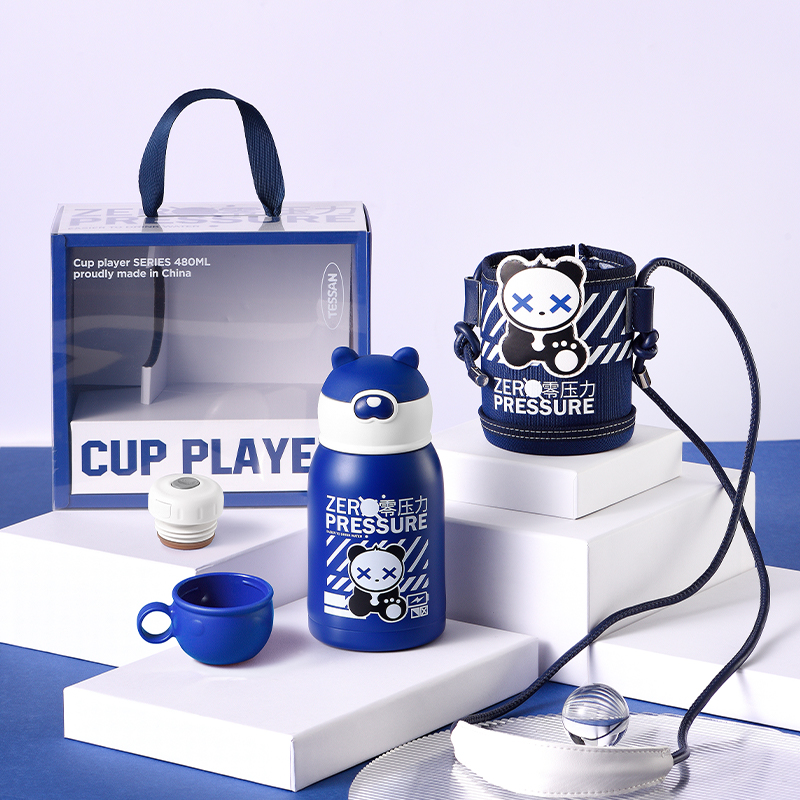
An OEM Stainless Steel Bottle can be developed around a specific drinkware concept instead of relying only on an existing bottle model. For product developers, the customization process can cover the bottle body, capacity, lid, surface finish, color, accessories, logo area, and packaging. Each part can be considered according to the intended market and daily usage conditions.

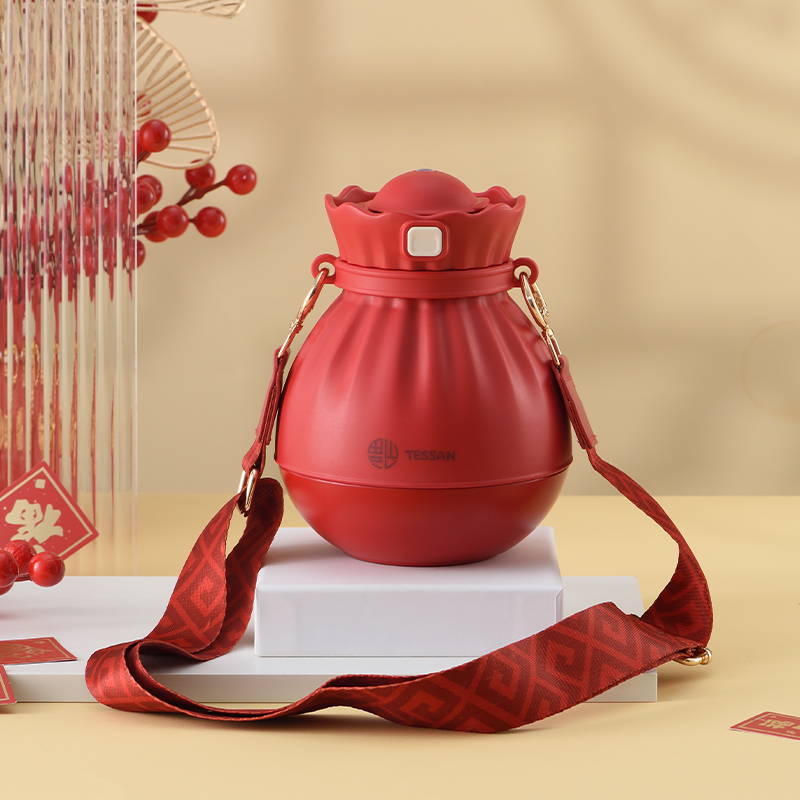
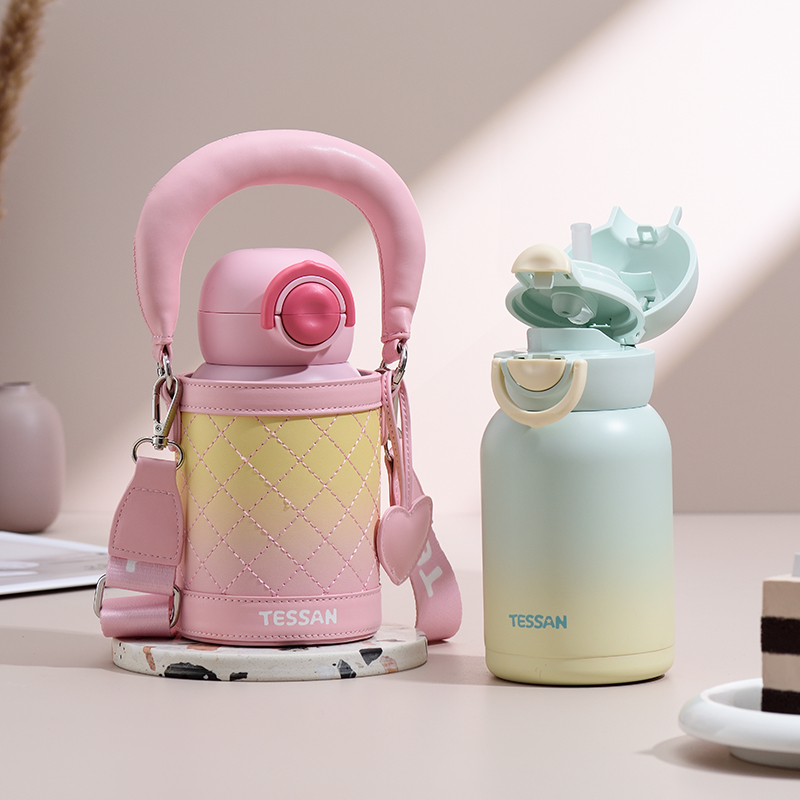
Bottle shape is an important part of product development. A traditional cylindrical body can provide a familiar appearance, while a slim body can fit applications involving handbags, backpacks, vehicle cup holders, office desks, or travel. A wider opening can make filling and cleaning easier, while a narrow opening can support a different drinking experience.
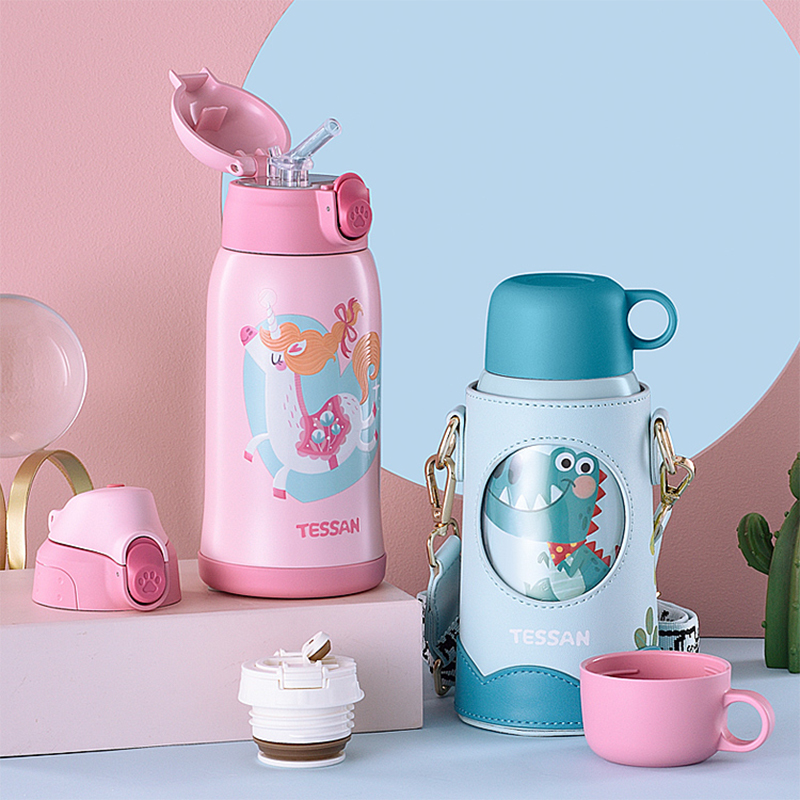
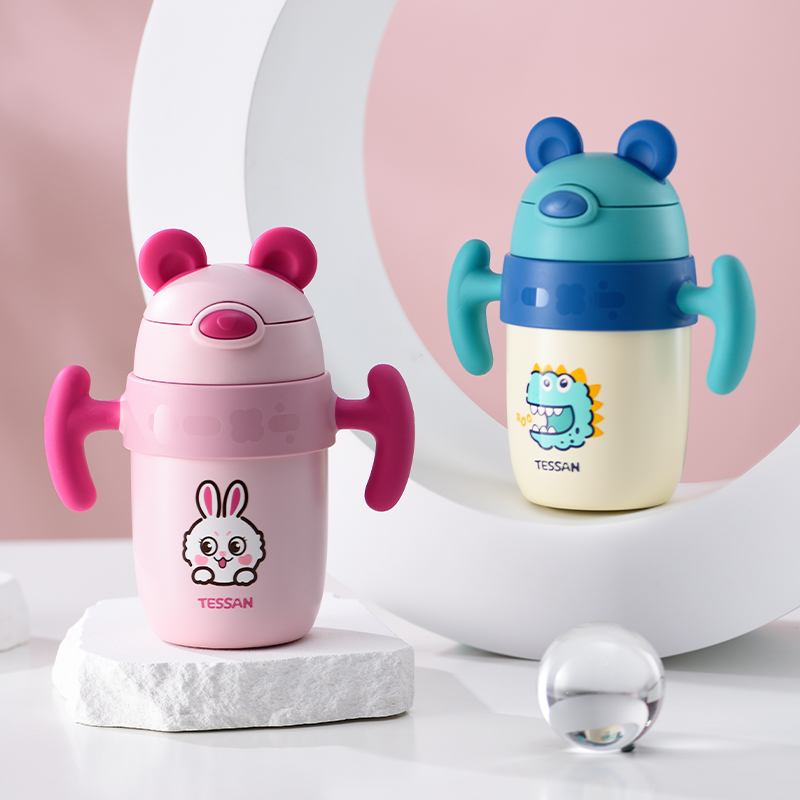
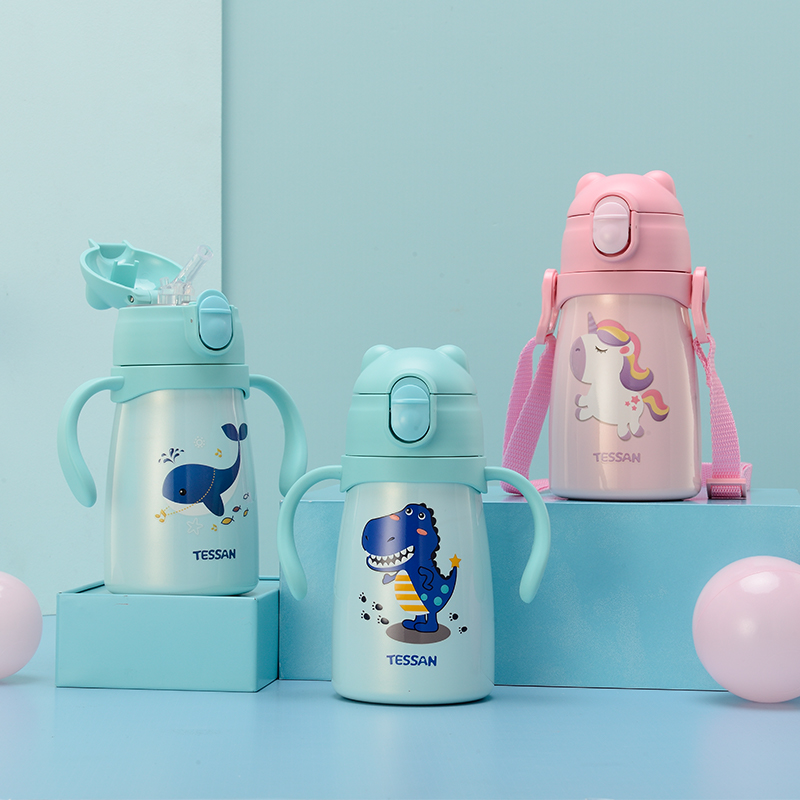
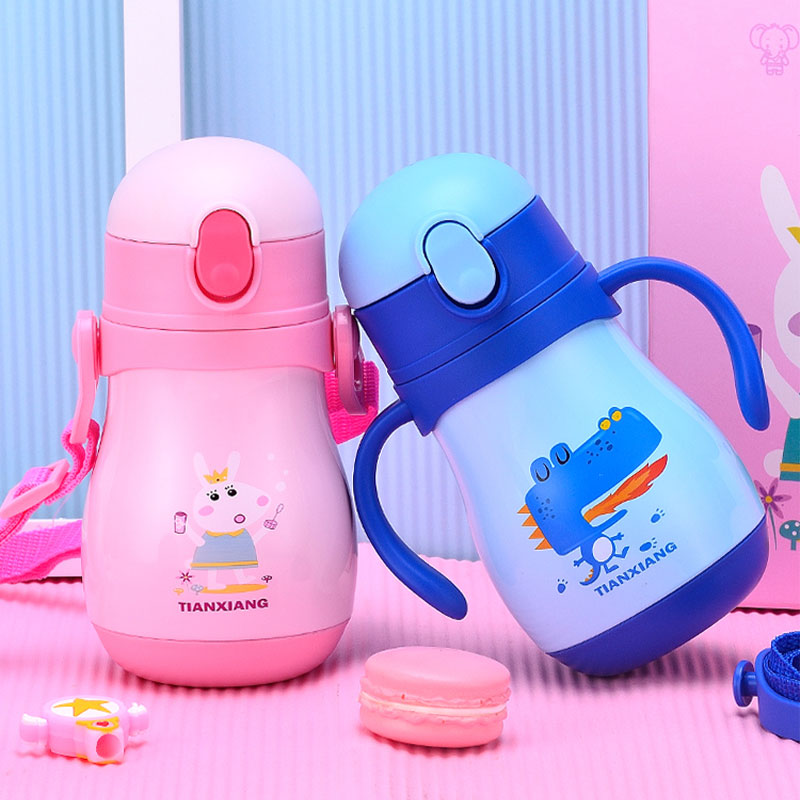
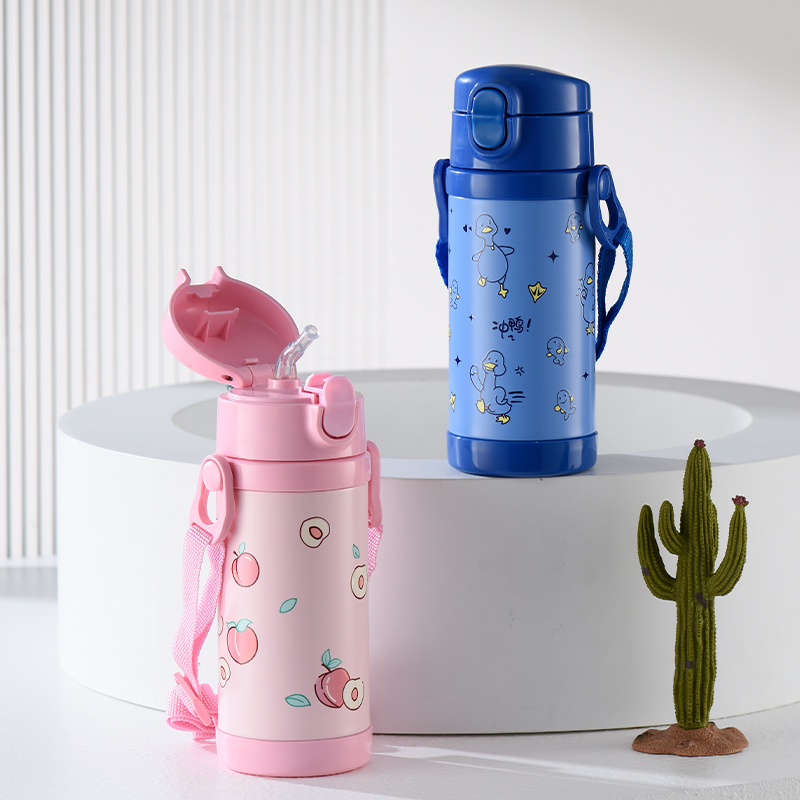
The lid also influences how the bottle is used. Screw caps, flip lids, straw lids, push-button structures, and handle-equipped lids can serve different product concepts. The sealing structure needs to match the lid design so that the finished bottle can provide suitable protection against spills during carrying and storage.
The bottle surface provides another area for product customization. Powder coating, matte treatment, brushed metal, polished metal, and other finishes can create different visual effects. Color selection can also connect the bottle with a specific product collection or packaging style.
From Design Concept to Sample Development
OEM drinkware development normally begins with a clear product specification. The specification may include the bottle shape, dimensions, capacity, stainless steel grade, wall construction, lid type, surface finish, color, logo position, and packaging requirements.
For a new bottle structure, drawings and product references can help clarify the relationship between different components. The bottle body, lid, sealing ring, base, handle, and other parts need to work together as one product.
A sample provides an opportunity to check the physical design before regular production. Buyers can review the appearance, dimensions, lid operation, sealing, surface treatment, logo position, and overall handling experience. If a design needs adjustment, changes can be made before production preparation is completed.
Some custom projects may require new tooling when an existing bottle cannot meet the desired shape. Tooling should be considered together with the structure, production method, material, and intended product quantity. A clear development process can reduce unnecessary changes during later production stages.
Product Requirements for OEM Manufacturing
Choosing an OEM manufacturing partner involves more than checking whether a supplier can produce stainless steel bottles. Product development support is also important when the project involves a new structure or several customized components.
Communication during the development stage should cover drawings, materials, components, surface treatments, logo artwork, packaging, and sample changes. Written specifications can help different production departments follow the same product requirements.
Inspection is another part of the process. Depending on the bottle structure, inspection may include material verification, welding areas, vacuum structure, leakage, lid assembly, surface appearance, logo decoration, and packaging.
For buyers developing a custom drinkware line, an OEM Stainless Steel Bottle project can therefore involve several connected stages. Product concept, structural design, sample evaluation, customization, production preparation, inspection, and packaging all contribute to the final product. A clear specification at each stage allows the original design idea to move into practical manufacturing with fewer communication gaps.