 English
 中文简体
中文简体
 Español
Material selection is an important part of vacuum flask development. Stainless steel is widely used for vacuum flasks because it can provide a strong metal structure and a suitable surface for beverage containers.
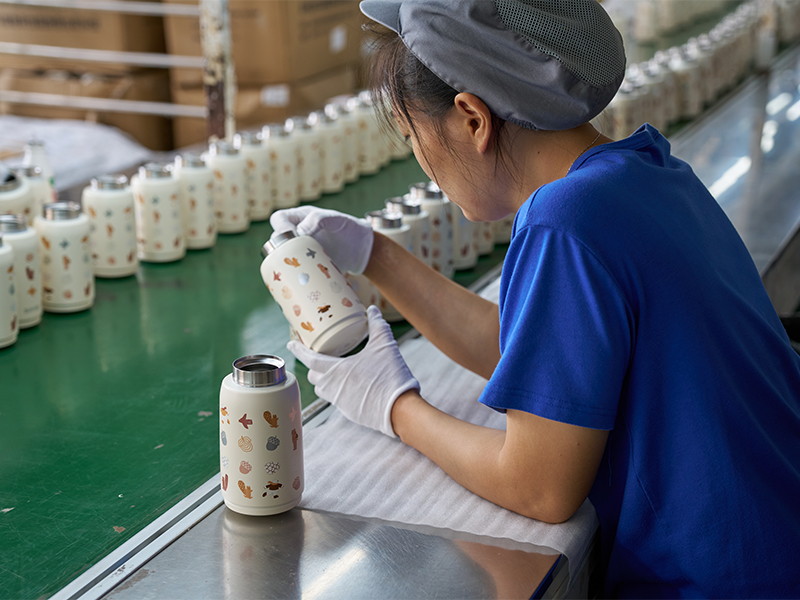
304 stainless steel is commonly selected for drinkware applications. 316 stainless steel can also be used when the product specification calls for its particular material characteristics.
The inner wall and outer wall have different roles within the bottle structure. The inner wall holds the beverage, while the outer wall forms the external body.
Other components also require suitable materials. Lids may contain plastic parts, stainless steel elements, or a combination of materials. Silicone sealing rings are commonly used around lid connections.
For commercial projects, buyers should review the material information for the complete product rather than focusing only on the stainless steel body.
Double Wall Vacuum Structure
A vacuum flask normally uses an inner wall and an outer wall with an insulated space between them. The vacuum area reduces the amount of material available for heat transfer through conduction.
The inner wall comes into contact with the beverage. The outer wall provides the external structure and surface.
During manufacturing, the space between the walls is processed to create the required vacuum condition. Proper production control is important because the vacuum structure is a key part of the flask design.
The bottle shape can also influence the structure. Curved bodies, narrow necks, wide mouths, and different base designs require different manufacturing approaches.
Thermal Insulation Factors
Thermal performance depends on several components working together. The vacuum space is important, but it is not the only factor.
The wall structure, stainless steel material, lid design, sealing system, mouth opening, and manufacturing quality can all influence how effectively the flask retains beverage temperature.
A properly fitted lid can reduce unwanted heat transfer around the bottle opening. The sealing ring also helps create a closed environment.
A wide-mouth flask can make filling and cleaning easier, while a narrow opening can provide a different drinking experience. Buyers should therefore select the opening design according to the intended application.
The beverage itself can also affect the practical experience. Hot coffee, tea, cold water, and other drinks may be used in different environments and under different conditions.
Vacuum Flask Lid and Sealing
The lid is an important part of the overall flask system. Screw lids provide a familiar closing method and can be used for daily drinkware.
Flip lids provide quick access to the beverage. Straw lids can suit sports and active use, while push-button lids offer another convenient opening method.
Silicone sealing rings are often used to create a seal between the lid and bottle. The thread design, gasket position, and lid connection all need to work together.
Leak testing can be used during quality inspection to check the connection between the bottle and lid.
Materials for Different Applications
Home and office flasks may focus on convenient drinking, easy cleaning, and compact storage. Travel flasks may require a secure lid and portable design.
Sports products can use straw lids or quick-opening systems. Outdoor products may include carrying handles and wider openings.
Hospitality products can require different bottle shapes and capacities depending on whether they are used for coffee service, table service, or beverage storage.
Material selection should therefore be connected to the application. Buyers can discuss the intended use with a Vacuum Flask Manufacturer before choosing stainless steel grade, lid material, sealing components, and surface treatment.